





Lower Back Pain Relief
Share on:
Lower back pain affects the lumbar area of the back and can make sitting, standing, bending, lifting, or walking uncomfortable. It may appear after a long workday, repeated movement, poor posture, physical activity, or everyday strain.
Because the lower back supports much of the body's weight and movement, even mild soreness or inflammation can interfere with daily comfort. Understanding common causes and symptoms can help guide the right relief strategy.
Flanax offers non-opioid pain relief options that may help relieve minor aches and pains when used as directed.
Lower Back Pain Relief With Flanax
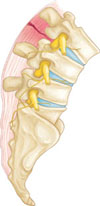
Lower back pain affects the lumbar area, the part of the back that supports much of the body's weight and daily movement. Pain in this area may appear after lifting, bending, sitting for long periods, standing all day, or overusing the back muscles.
Lower back discomfort can involve muscles, ligaments, joints, discs, nerves, and surrounding soft tissues. In many everyday cases, soreness is related to strain, posture, inflammation, repetitive movement, or physical activity.
When lower back pain is mild or moderate, non-opioid pain relief options may help relieve minor aches and pains when used as directed.
Common Causes of Lower Back Pain
Lower back pain can develop from everyday movements, repeated strain, posture, or physical activity. Some causes appear suddenly after lifting or twisting, while others build gradually after long periods of sitting, standing, or working in the same position.
Common causes of lower back pain include:
- Muscle strain from lifting, bending, or twisting
- Prolonged sitting during desk work or driving
- Standing or walking for long periods
- Repetitive movements at work or during exercise
- Poor posture or unsupported sitting positions
- Overuse from physical labor, sports, or household tasks
- Inflammation of muscles, ligaments, joints, or soft tissues
- Age-related stiffness or changes in the spine
Identifying the likely cause can help determine whether rest, movement changes, stretching, topical support, or oral pain relief may be appropriate.
Lower Back Pain Symptoms
Lower back pain can feel dull, sharp, tight, aching, or cramp-like. Symptoms may appear during movement or after long periods of sitting, standing, bending, or lifting.
Common symptoms include:
- Dull or sharp pain in the lumbar area
- Muscle tightness, stiffness, or spasms
- Pain that worsens with bending, lifting, or twisting
- Soreness after sitting or standing for long periods
- Difficulty moving, walking, or changing positions
- Pain that extends into the buttock, hip, or leg
- Numbness, tingling, or weakness when nerves are involved
Consult a healthcare professional if lower back pain is severe, persistent, follows an injury, travels down the leg, or is associated with numbness, weakness, fever, chills, or unexpected weight loss.
Lower Back Pain From Sitting, Standing, and Lifting
Lower back pain is often linked to daily positions and movements. Sitting for long periods can place pressure on the lumbar area, while standing all day can fatigue the muscles that support the spine. Lifting, bending, or twisting can also strain the lower back.
This type of discomfort is common among adults who work at desks, drive for long periods, lift objects, stand during long shifts, or perform repetitive physical tasks.
Ways to support lower back comfort may include:
- Taking short movement breaks during long periods of sitting
- Using supportive posture while working or driving
- Bending at the knees when lifting objects
- Avoiding sudden twisting while carrying weight
- Stretching gently when appropriate
- Using pain relief options as directed for minor aches and pains
If lower back pain repeatedly returns after everyday activity, consider discussing it with a healthcare professional.
Relief Options: Flanax Tablets + Flanax Liniment
Lower back pain may involve both internal inflammation and localized muscle soreness. For that reason, some adults use a combination of oral and topical pain relief as part of their routine.
Flanax Pain Reliever Tablets contain naproxen sodium, an NSAID that may help relieve minor aches and pains associated with inflammation when used as directed.
Flanax Liniment provides topical support for localized discomfort with ingredients such as capsaicin, menthol, and methyl salicylate.
Learn more about Flanax Pain Reliever Tablets
Learn more about Flanax Liniment
Together, oral and topical options may help address different aspects of everyday lower back discomfort, including soreness after sitting, standing, lifting, or physical activity.
Always read and follow the product label. Ask a healthcare professional before use if you have questions about whether these products are appropriate for you.
FAQs About Lower Back Pain Relief
What causes lower back pain?
Common causes include muscle strain, prolonged sitting or standing, lifting, bending, poor posture, repetitive movement, inflammation, and age-related stiffness.
Can Flanax be used for lower back pain?
Flanax Pain Reliever Tablets may help relieve minor aches and pains when used as directed. Flanax Liniment may also provide topical support for localized lower back soreness.
What is the difference between back pain and lower back pain?
Back pain can affect the upper, middle, or lower back. Lower back pain refers specifically to discomfort in the lumbar area, often related to sitting, standing, bending, lifting, or muscle strain.
Are Flanax products non-opioid?
Yes. Flanax Pain Reliever Tablets and Flanax Liniment are non-opioid pain relief options.
When should I see a healthcare professional for lower back pain?
Consult a healthcare professional if lower back pain is severe, persistent, follows an injury, travels down the leg, or is associated with numbness, weakness, fever, chills, or unexpected weight loss.