





Arthritis Pain Relief
Share on:
Arthritis Relief
Understanding Inflammation and How to Find Relief
Information you need. Relief you can trust.



1. What Is Arthritis?
Arthritis is the inflammation of one or more joints, causing pain, stiffness, swelling, and reduced mobility.
The most common types:

Osteoarthritis (OA)
Wear-and-tear of cartilage that cushions the ends of bones. Most common in older adults.

Rheumatoid Arthritis (RA)
An autoimmune condition where the body's immune system attacks the joints.

Other Types
Includes psoriatic arthritis, gout, and ankylosing spondylitis, among others.
2. Signs of Arthritis
-

Joint pain
-

Stiffness
-

Swelling
-

Reduced range of motion
-

Difficulty with daily activities
-

Inflammation
3. Ways to Help Manage Arthritis

Low-impact activities like walking, swimming, and cycling can help maintain joint function.

Gentle stretching helps maintain flexibility and reduce stiffness.

Extra weight adds stress to weight-bearing joints such as knees and hips.

Heat can relax stiff muscles. Cold can help reduce swelling after activity.

NSAIDs can help reduce inflammation, relieve pain, and improve mobility.
4. How Flanax® Can Help
Flanax contains naproxen sodium, an NSAID (nonsteroidal anti-inflammatory drug) that temporarily reduces inflammation and relieves minor aches and pains, including arthritis pain.
- Reduces inflammation
- Relieves pain and stiffness
- Long-lasting relief – up to 12 hours
- Convenient dosing
- Available without a prescription
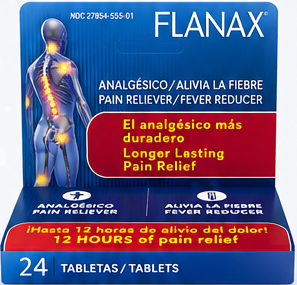
Flanax is indicated for the temporary relief of minor aches and pains due to:

Arthritis Pain

Backache

Muscular Aches

Headache

Menstrual Cramps

Toothache

The Common Cold
5. Arthritis Relief – Inside and Out
Internal Relief
Flanax Pain Reliever Tablets provide systemic anti-inflammatory pain relief to help you feel better from within.
External Relief
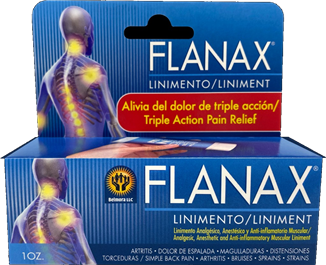
Flanax Liniment can be applied directly to affected areas to complement your overall pain-management routine.
6. Frequently Asked Questions
What causes arthritis?
Arthritis can result from wear and tear (osteoarthritis), an overactive immune system (rheumatoid arthritis), injury, genetics, or other conditions.
Can inflammation cause arthritis pain?
Yes. Inflammation is a major factor in many types of arthritis and can lead to pain, swelling, and stiffness.
Is naproxen good for arthritis pain?
Naproxen sodium is an NSAID that reduces inflammation and provides temporary relief of pain and stiffness associated with arthritis.
How long does Flanax last?
Flanax can provide long-lasting relief for up to 12 hours when used as directed.
When should I see a healthcare professional?
If your symptoms are severe, persistent, or getting worse, or if you experience joint swelling, redness, or fever.
7. Quick Facts About Arthritis

More than 54 million adults in the U.S. have doctor-diagnosed arthritis.

Arthritis is a leading cause of pain and disability in adults.

Most arthritis symptoms can be managed with a combination of healthy habits and appropriate treatment.

Inflammation is a common underlying cause of arthritis pain and stiffness.

Anti-inflammatory medications are among the most commonly used options for arthritis pain relief.
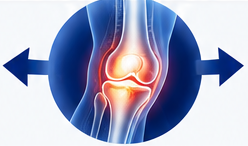
Arthritis can cause joint pain, stiffness, swelling, and reduced mobility. It may affect the knees, hands, hips, shoulders, spine, ankles, or other joints, making everyday movement more difficult.
Two common forms of arthritis are osteoarthritis and rheumatoid arthritis. Although their causes differ, both may involve joint inflammation, discomfort, and stiffness.
Flanax offers non-opioid pain relief options that may help relieve minor aches and pains when used as directed.
Arthritis Pain Relief With Flanax
Arthritis refers to conditions that involve joint inflammation, pain, stiffness, or reduced mobility. Symptoms may affect one joint or several joints, and they can interfere with walking, gripping, lifting, bending, or other daily activities.
Many adults experience arthritis discomfort in the knees, hands, hips, shoulders, spine, ankles, or wrists. Arthritis pain may feel worse in the morning, after long periods of inactivity, after repetitive movement, or during flare-ups.
Understanding the type of arthritis and the symptoms involved can help guide appropriate care and pain relief options.
Osteoarthritis and Joint Wear
Osteoarthritis is a common form of arthritis that is often related to joint wear, repetitive use, age-related changes, previous injury, posture, or stress on a specific joint.
Osteoarthritis may affect one or more joints, including the knees, hips, hands, shoulders, spine, ankles, or elbows.
Common osteoarthritis symptoms include:
- Joint stiffness, especially after rest or in the morning
- Inflammation or swelling around the joint
- Pain that worsens after movement, exercise, or repetitive use
- Reduced range of motion
- Tenderness or discomfort during daily activities
- Joint discomfort during damp or rainy weather
Weight management, rest, supportive braces, movement adjustments, and appropriate pain relief may help some adults manage everyday osteoarthritis discomfort. Consult a healthcare professional before starting any treatment plan.
Rheumatoid Arthritis and Inflammation
Rheumatoid arthritis is an autoimmune condition in which the immune system affects the joints. It can cause inflammation, pain, swelling, stiffness, and, in some cases, changes in joint structure over time.
Unlike some forms of osteoarthritis, rheumatoid arthritis often affects joints on both sides of the body and may involve symptoms beyond joint pain.
Common rheumatoid arthritis symptoms may include:
- Joint pain, swelling, or tenderness
- Morning stiffness or stiffness after rest
- Fatigue or general discomfort
- Reduced mobility or grip strength
- Warmth or sensitivity around affected joints
- Changes in joint shape or function over time
Rheumatoid arthritis should be evaluated and managed with guidance from a healthcare professional. Pain relief options may help with minor aches and pains, but they do not replace medical care for rheumatoid arthritis.
Relief Options: Flanax Tablets + Flanax Liniment
Arthritis discomfort may involve both internal inflammation and localized joint soreness. For that reason, some adults use a combination of oral and topical pain relief as part of their routine.
Flanax Pain Reliever Tablets contain naproxen sodium, an NSAID that may help relieve minor aches and pains associated with inflammation when used as directed.
Flanax Liniment provides topical support for localized discomfort with ingredients such as capsaicin, menthol, and methyl salicylate.
Learn more about Flanax Pain Reliever Tablets
Learn more about Flanax Liniment
Together, oral and topical options may help address different aspects of everyday arthritis discomfort, including joint stiffness, soreness, or movement-related aches.
Always read and follow the product label. Ask a healthcare professional before use if you have questions about whether these products are appropriate for you.
FAQs About Arthritis Pain Relief
What are common symptoms of arthritis?
Common symptoms include joint pain, stiffness, swelling, tenderness, reduced range of motion, and discomfort during daily movement.
What is the difference between osteoarthritis and rheumatoid arthritis?
Osteoarthritis is often related to joint wear, repetitive use, age-related changes, or previous injury. Rheumatoid arthritis is an autoimmune condition that should be managed with guidance from a healthcare professional.
Can Flanax be used for arthritis pain?
Flanax Pain Reliever Tablets may help relieve minor aches and pains when used as directed. Flanax Liniment may also provide topical support for localized joint soreness.
Are Flanax products non-opioid?
Yes. Flanax Pain Reliever Tablets and Flanax Liniment are non-opioid pain relief options.
When should I see a healthcare professional for arthritis symptoms?
Consult a healthcare professional if joint pain is severe, persistent, worsening, associated with swelling or redness, or limits your ability to move or perform daily activities.